
Sprinkler System Cost and Fall Winterization in Massachusetts
· By Sidney Mota Machado
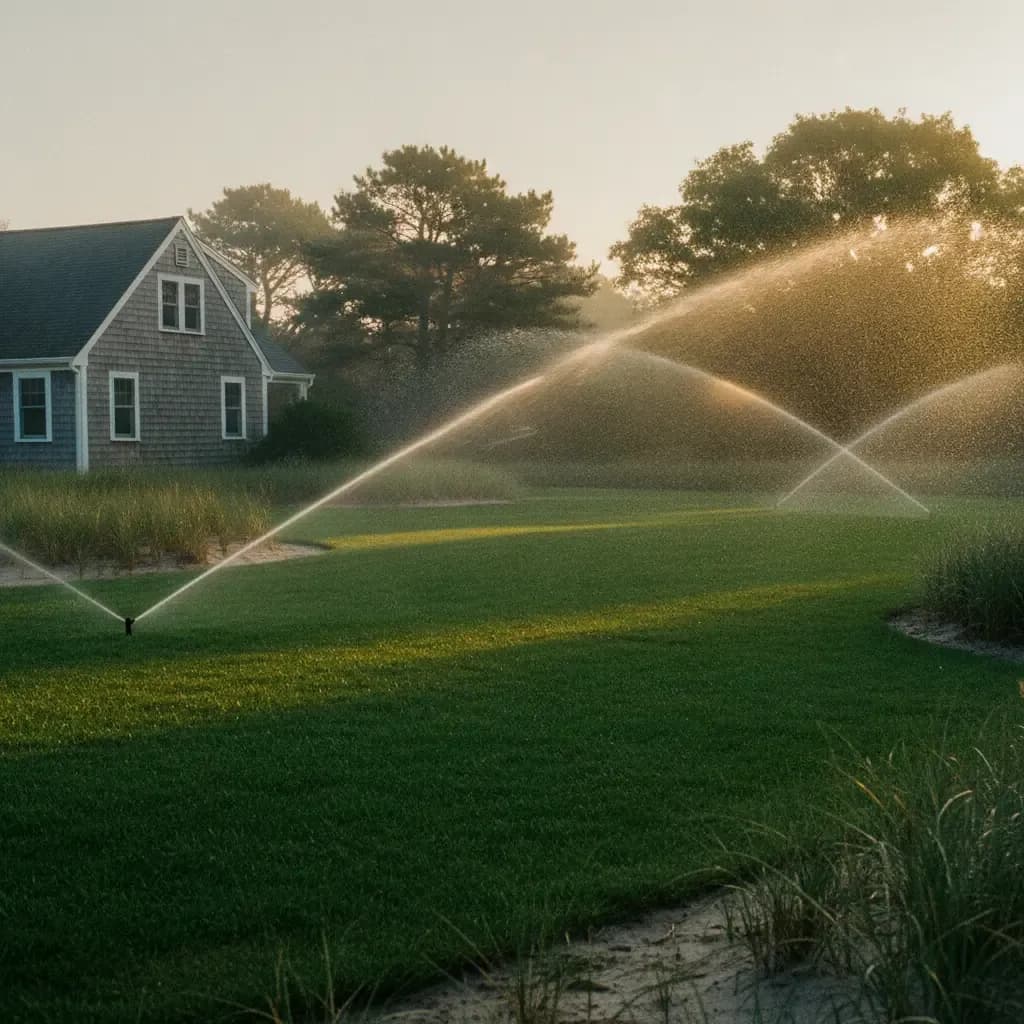
A sprinkler system takes the guesswork out of watering: the lawn and beds get the right amount at the right time, usually early in the morning, without anyone dragging a hose around the yard. In Massachusetts, though, an irrigation system comes with a seasonal responsibility. Water left in the lines when the ground freezes can crack pipes, split fittings and ruin valves, which is why fall winterization is part of owning one.
This guide covers what a sprinkler system typically costs to install, the factors that move the price, what a fall blowout involves and how to keep a system running for many seasons. The numbers are broad market ranges meant to help you plan, not quotes.
Typical sprinkler system cost
For an average suburban lot, a professionally installed in ground irrigation system often ranges from about $2,500 to $6,000, and larger properties or systems with many zones can run well above that. Some contractors price by zone, with each zone commonly landing somewhere in the range of several hundred dollars to over a thousand depending on its size and the type of heads used.
The price includes the trenching or pulling of pipe, the heads, valves, a controller, the backflow prevention device and the connection to your water supply. Restoring the lawn where lines were installed is usually part of the job as well.
What drives irrigation system cost
Lot size and layout come first. A rectangular front and back lawn is simpler than a property with many beds, curved edges, slopes and narrow side yards. Each area with different needs (sunny lawn, shaded lawn, shrub beds, vegetable garden) usually gets its own zone, and more zones mean more valves, pipe and labor.
Soil and obstacles matter next. Rocky soil, ledge, tree roots, walkways and driveways that need to be crossed all add work. The water source matters too: a system tied to town water needs proper backflow protection, while one fed by a private well needs to be designed around the flow the well can actually deliver. Finally, the choice of equipment, such as rotors for open lawns, spray heads for small areas, drip lines for beds and a smart controller that adjusts for weather, affects both the price and how efficiently the system uses water.
Drip irrigation for beds and gardens
Spray heads work well on lawns but waste water on shrubs and flower beds, where much of it lands on leaves, mulch and walkways. Drip lines deliver water slowly at the base of each plant, which reduces runoff and evaporation and helps keep foliage dry.
Combining spray zones for the lawn with drip zones for the beds is a common and efficient design. It also pairs well with a fresh layer of mulch, which holds moisture in the soil between watering cycles.
Why fall winterization matters
Irrigation pipes are buried only a few inches to about a foot down, well within the range where the ground freezes in a Massachusetts winter. Any water left in the lines, valves or backflow device expands as it freezes and can crack plastic pipe, split fittings and damage the backflow preventer, which is often the most expensive single part of the system.
Winterizing removes that water before the first hard freeze. Most homeowners schedule it in October or early November, before nights start dropping well below freezing. Waiting too long is a gamble, because damage from one cold snap may not show up until the system is turned on in spring.
What happens during a sprinkler blowout
A typical winterization starts by shutting off the water supply to the irrigation system and setting the controller to off or rain mode. A compressor is connected to the system, and each zone is opened one at a time while air at a controlled pressure pushes the water out through the heads. The technician cycles through the zones until only mist comes out, then drains or protects the backflow device and leaves valves in the correct position for winter.
Air pressure has to be kept in a safe range, because too much pressure can damage heads and pipe. Running the compressor with all valves closed is another common mistake that can do harm. That is why blowouts are usually best left to someone with the right equipment.
Typical sprinkler winterization cost
As a rough market range, a standard residential blowout often costs about $75 to $200, depending mostly on the number of zones and the size of the system. Larger properties with many zones cost more. Spring startup, when the system is turned back on, checked for leaks and adjusted, is usually a separate visit with a similar price range.
Compared with the cost of replacing a cracked backflow preventer or digging up broken lines, winterization is a small yearly cost that protects your investment. Many water departments also require periodic testing of backflow devices, so ask your town what applies to your system.
Plan your irrigation system
Machado Landscaping designs and installs irrigation and sprinkler systems for homeowners and builders, from lawn zones to drip lines for beds, and we leave the yard clean when the trenches are closed. We serve communities around Marlborough and across Massachusetts, Rhode Island and southern New Hampshire. The estimate is free with no visit fee. Call (508) 663-9401 and we reply within 1 hour during business hours, Monday through Saturday.
Frequently asked questions
- How much does a sprinkler system cost to install?
- As a rough market guide, an in ground sprinkler system for an average suburban lot often costs about $2,500 to $6,000, with larger or more complex properties costing more. Lot size, number of zones, soil conditions, water source and equipment choices all affect the price.
- When should I winterize my sprinkler system in Massachusetts?
- Most homeowners winterize in October or early November, before nights drop well below freezing. Scheduling before the first hard freeze protects pipes, valves and the backflow device from cracking.
- How much does sprinkler winterization cost?
- A standard residential blowout typically runs about $75 to $200, depending mainly on the number of zones. Spring startup is usually a separate visit.
- Can I skip winterizing my irrigation system?
- It is risky. Water left in shallow irrigation lines can freeze and crack pipes, fittings and the backflow preventer. Repairs in spring usually cost far more than a fall blowout.
- Is drip irrigation better than sprinklers?
- For shrubs, flower beds and gardens, drip irrigation is usually more efficient because it waters the roots directly with less runoff. Spray heads and rotors remain the better choice for lawns. Many systems combine both.
Related services
Found this helpful? Make us a preferred source on Google.
Ready for an exact price?
Get a free, no-pressure in-home estimate. Real numbers for your home, not a phone guess.