
Basement Waterproofing Cost: Interior vs Exterior Options
· By Sidney Mota Machado
A wet basement is one of those problems that rarely fixes itself. A damp smell in spring, a dark line along the bottom of the wall after a storm, a puddle near the bulkhead door: each one is a sign that water is finding a path into the foundation. The good news is that most basements can be dried out. The hard part is knowing how much to spend, because the price of basement waterproofing swings from a few hundred dollars for a gutter and grading fix to tens of thousands for full exterior excavation.
This guide walks through what basement waterproofing typically costs, how interior and exterior systems work, and the questions that point you toward the right fix. Older homes across Central Massachusetts, Rhode Island and southern New Hampshire often have fieldstone or block foundations that were never built to stay dry, so the right answer depends a lot on what is under your house and where the water is coming from.
Start with the cause: why is my basement wet?
Before talking about price, it helps to separate the three most common sources of basement water. The first is surface water: roof runoff, downspouts that dump next to the foundation, and soil that slopes toward the house instead of away from it. The second is groundwater: a high water table or saturated soil that pushes water up through the slab or through the joint where the wall meets the floor. The third is condensation: humid summer air hitting cool concrete, which looks like a leak but is really a moisture problem.
Surface water is by far the most common culprit, and it is also the cheapest to fix. If the water shows up only after heavy rain and only on one side of the house, look up before you look down. Overflowing gutters, a disconnected downspout or a flower bed built up against the siding can send hundreds of gallons toward one corner of the foundation in a single storm.
Groundwater problems behave differently. Water appears even after a few dry days, it seeps along the whole perimeter, and it often gets worse during spring thaw when the ground is saturated. That pattern usually calls for a drainage system, either inside or outside the wall.
Typical basement waterproofing cost ranges
Every house is different, so treat these as rough market ranges rather than quotes. Simple exterior fixes such as extending downspouts, regrading soil away from the foundation and adding a small dry well for roof water often run from a few hundred dollars to a few thousand, depending on how much soil has to move.
Interior waterproofing, which usually means cutting the slab along the perimeter, installing a perforated drain in a stone bed and routing it to a sump pump, typically ranges from about $3,000 to $10,000 or more for an average basement. The final number depends on the length of wall, the condition of the slab, whether a sump pit already exists and how much finished space has to be opened up.
Exterior waterproofing is the most involved option. Excavating down to the footing, cleaning the wall, applying a membrane or coating and installing a footing drain often runs $10,000 to $25,000 or more for a full perimeter, and it can go higher when decks, patios, walkways or landscaping have to be removed and rebuilt. Doing just one problem wall is common and costs a fraction of that.
How interior waterproofing works
An interior system does not stop water from reaching the wall. It manages the water once it gets there. A channel is cut into the floor along the base of the wall, a perforated pipe is laid in washed stone, and the pipe carries water to a sump pit where a pump sends it outside, ideally to a spot well away from the foundation. A dimpled plastic sheet is often added on the wall to guide seepage down into the drain.
The main advantages are cost and access. The work happens inside, so there is no digging around shrubs, steps or driveways, and it can be done in any season. The tradeoffs are that you now depend on a pump, which needs power and occasional checking, and that the foundation wall itself still gets wet on the outside.
How exterior waterproofing works
Exterior waterproofing attacks the problem at the source. The soil is dug out along the foundation down to the footing, the wall is cleaned and any cracks are repaired, then a waterproof membrane or coating is applied. A footing drain set in stone collects groundwater and carries it to daylight, a dry well or a sump, and the trench is backfilled with free draining material before the final grade is shaped to slope away from the house.
This approach keeps water off the wall entirely, which matters for block and older fieldstone foundations that soak up moisture. It is also the right call when the outside grade, the drainage and the waterproofing all need attention at the same time. The drawback is cost and disruption: excavation is heavy work, and anything sitting against the house has to come out first.
What drives the price up or down
Depth and access are the two biggest factors. A full basement with eight feet of soil against the wall costs more to excavate than a walkout. Tight lot lines, mature trees, porches, decks and paved areas next to the house all add labor. Inside, a finished basement means removing and replacing drywall, flooring and trim before any drain work can start.
The foundation itself matters too. Poured concrete with a few hairline cracks is straightforward. Fieldstone foundations, common in older New England homes, have mortar joints that can wash out over time and may need repointing along with the waterproofing. Where the water goes is the last big variable: a drain that can run to daylight on a sloped lot is cheaper than one that needs a new sump pit or a dry well.
Fix the outside first whenever you can
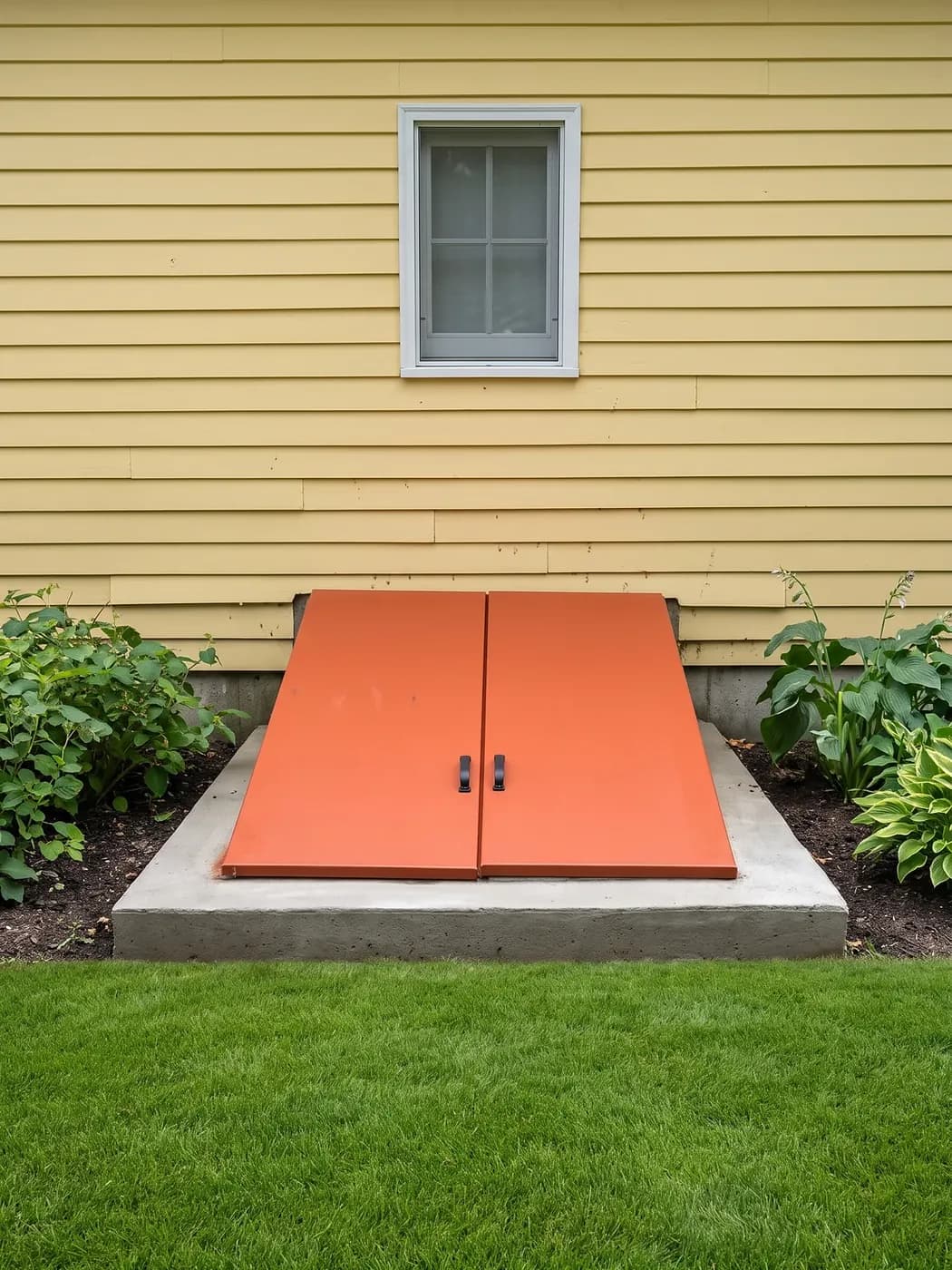
Because surface water causes so many wet basements, the smartest money is often spent outside before anything else. Clean gutters, extend downspouts several feet away from the house or tie them into a buried line that ends in a dry well, and reshape the soil so it falls away from the foundation. Window wells and bulkhead entries deserve a close look as well, since a clogged or missing drain at the bottom of a well can flood a basement in one storm.
If the basement is still wet after a season of rain with good grading and gutters, that is strong evidence of a groundwater problem, and an interior or exterior drain system becomes worth the investment.
Getting an honest estimate
A useful waterproofing estimate starts with a walk around the outside of the house, not just a look at the wet spot inside. Expect questions about when the water appears, how long it lasts and whether it has changed over the years. A good contractor will tell you when a cheaper drainage fix should be tried first.
Machado Landscaping handles exterior drainage, dry wells, foundation excavation and basement waterproofing for homeowners and builders, with clean, organized job sites from start to finish. Estimates are free with no visit fee, and we reply within 1 hour during business hours, Monday through Saturday. Call (508) 663-9401 to have someone look at your basement and give you a straight answer on what it needs.
Frequently asked questions
- How much does basement waterproofing cost?
- As a rough market guide, interior drain and sump systems often range from about $3,000 to $10,000 or more, while full exterior excavation and membrane work commonly runs $10,000 to $25,000 or more. Simple fixes like regrading and downspout extensions can cost far less. Your actual price depends on wall length, depth, access and the cause of the water.
- Is interior or exterior basement waterproofing better?
- Exterior waterproofing keeps water off the foundation wall entirely and is usually the most complete fix, but it costs more and requires excavation. Interior systems are less expensive and less disruptive, and they work well for groundwater seepage, but they rely on a sump pump. The right choice depends on the foundation type, the source of the water and access around the house.
- Why is my basement wet only after heavy rain?
- Water that appears only after storms is usually surface water. Common causes are clogged gutters, downspouts that discharge next to the house, and soil that slopes toward the foundation. These are often fixed with grading, downspout extensions or a dry well before any interior work is needed.
- Can you waterproof just one wall of a basement?
- Yes. When the water comes in along one side, it is common to excavate and waterproof only that wall, or run an interior drain along that section. This costs much less than a full perimeter system and is often enough when the cause is localized.
- Do you charge for a basement waterproofing estimate?
- No. Machado Landscaping gives free estimates with no visit fee. Call (508) 663-9401 and we reply within 1 hour during business hours, Monday through Saturday.
Serving
Found this helpful? Make us a preferred source on Google.
Ready for an exact price?
Get a free, no-pressure in-home estimate. Real numbers for your home, not a phone guess.